The Environmental Impact of Pipe Fabrication Practices
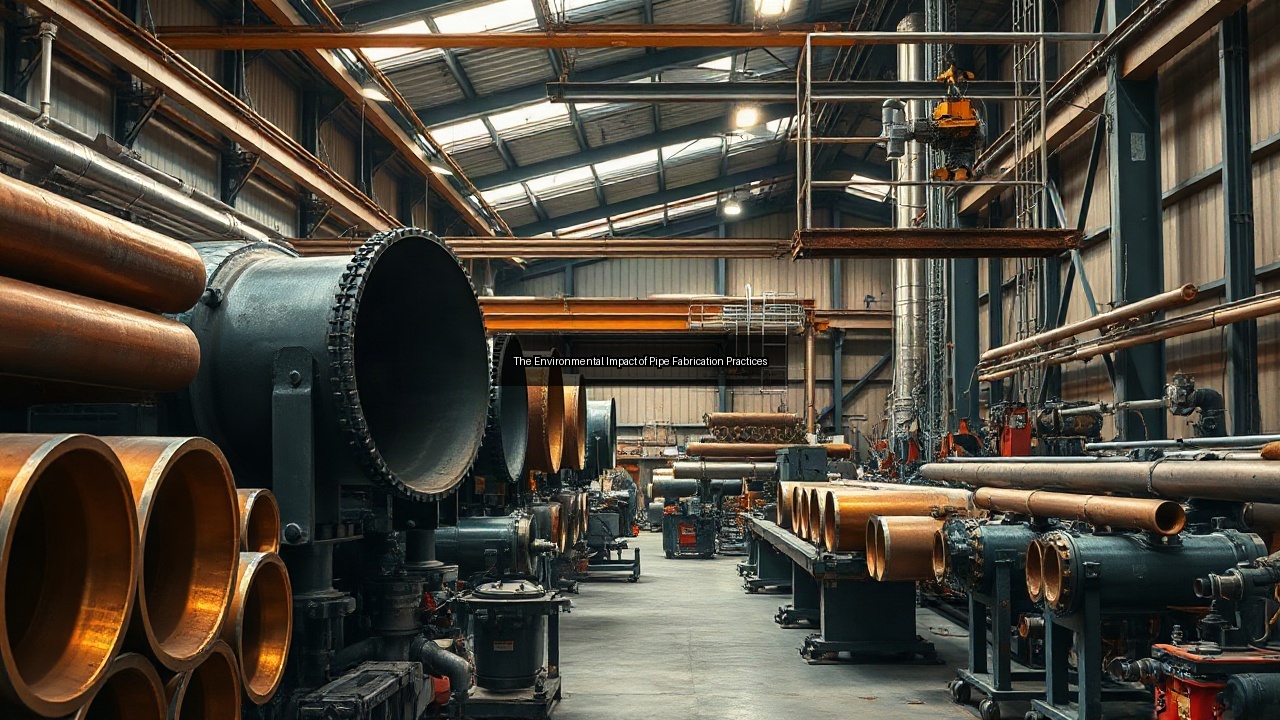
Understanding Pipe Fabrication Practices
Overview of Pipe Fabrication Processes
Pipe fabrication involves the creation of piping systems through various processes designed to meet specific engineering needs. This practice plays a vital role in industries such as oil and gas, construction, and manufacturing. Typically, pipe fabrication starts with designing the piping layout, followed by cutting and shaping materials into the desired forms. Next, these components undergo various joining processes, including welding, to ensure structural integrity. The final step often involves quality checks and coatings to enhance durability and resistance to environmental factors. Effective pipe fabrication not only determines the efficiency of a piping system but also influences its environmental impact.
Types of Materials Used in Fabrication
Fabricators use a variety of materials when producing pipes, each offering unique characteristics suitable for different applications. Steel pipes remain the most popular choice due to their strength and versatility. Other materials include stainless steel, known for its resistance to corrosion, and plastic pipes, which are lightweight and resistant to chemicals. Fabrication shops also utilize specialized alloys to enhance performance in specific environments. The choice of material significantly affects the overall sustainability of a project, as some materials have lower environmental footprints than others. Understanding these materials is crucial for pipe fabrication company companies aiming to minimize the ecological impact of their fabrication practices.
Common Fabrication Techniques
Fabrication shops employ various techniques to create pipes, each with distinct advantages. Welding is one of the most prevalent methods, offering strong bonds that pipe fabrication company are essential for high-pressure applications. Other techniques include bending, where pipes are shaped into curves for specific designs, and threading, which allows for easy connections between piping systems. Advanced technologies, such as CNC machining and laser cutting, have revolutionized the precision and efficiency of pipe fabrication. While these methods enhance productivity, they can also increase energy consumption and waste if not implemented thoughtfully. Striking a balance between efficiency and sustainability remains a challenge in the industry.
Environmental Impacts of Pipe Fabrication
Carbon Footprint of Steel Pipe Production
The production of steel pipes generates a significant carbon footprint, primarily due to the energy-intensive processes involved. Steel fabrication often relies on fossil fuels, leading to high greenhouse gas emissions. According to studies, the steel industry accounts for approximately 7% of global CO2 emissions. As companies strive to meet sustainability goals, addressing the carbon footprint of steel pipe production becomes paramount. Transitioning to renewable energy sources and improving energy efficiency in fabrication processes can substantially reduce emissions. Innovations in technology, such as electric arc furnaces, show promise in lowering the environmental impact associated with producing steel pipes.
Waste Generation in Pipe Fabrication Shops
Waste generation is a critical concern in pipe fabrication. Shops often produce scrap metal during cutting and shaping processes, contributing to material waste. Additionally, the use of chemicals for cleaning and finishing can lead to hazardous waste if not managed properly. Many fabrication companies are now implementing waste management strategies to minimize their environmental impact. Recycling scrap metal not only reduces waste but also recovers valuable materials for reuse. Effective waste management practices can help pipe fabrication companies reduce landfill contributions while enhancing their sustainability profiles. Developing a culture of waste reduction is essential for improving overall environmental performance.
Water and Energy Consumption in Fabrication
Water and energy consumption in pipe fabrication significantly impact the environment. Fabrication processes often require substantial amounts of water for cooling and cleaning, putting pressure on local water resources. Energy usage, primarily from electricity and fossil fuels, contributes to the overall carbon emissions associated with fabrication activities. Companies are increasingly focusing on optimizing their energy consumption through the adoption of energy-efficient machinery and systems. Implementing water recycling systems can also mitigate the impact on local water sources. By addressing these consumption challenges, fabrication companies can enhance their sustainability efforts while maintaining production efficiency.
Sustainable Practices in Pipe Fabrication
Innovative Technologies for Eco-Friendly Fabrication
Emerging technologies are shaping the future of sustainable pipe fabrication. Manufacturers are increasingly exploring advanced fabrication techniques that reduce environmental impacts. For instance, additive manufacturing, or 3D printing, allows for the creation of complex pipe geometries with minimal waste. This method enhances material efficiency and reduces the need for extensive machining. Additionally, digital fabrication technologies enable precise control over processes, leading to less scrap and improved energy usage. By adopting these innovative technologies, pipe fabrication companies can reduce their ecological footprint while meeting the growing demand for environmentally friendly solutions.
Recycling and Reusing Materials in Fabrication
Recycling and reusing materials play a pivotal role in sustainable pipe fabrication. The industry has recognized the value of reclaimed steel and other materials, minimizing reliance on virgin resources. Many fabrication shops now source recycled metals, which require less energy to process compared to producing new materials. Additionally, implementing circular economy principles allows companies to recover and recycle materials from decommissioned pipelines, further reducing waste. By prioritizing recycled content and material reuse, pipe fabrication companies can significantly lessen their environmental impact while aligning with global sustainability goals.
Case Studies of Sustainable Pipe Fabrication Companies
Several pipe fabrication companies have emerged as leaders in sustainability by implementing eco-friendly practices. For instance, some firms have adopted ISO 14001 environmental management standards, showcasing their commitment to reducing environmental impacts. Others have invested in renewable energy sources, such as solar panels, to power their fabrication shops. Notable examples include companies that have successfully integrated waste recycling programs, achieving substantial reductions in landfill contributions. These case studies serve as models for the industry, demonstrating that sustainable practices not only benefit the environment but can also enhance profitability and brand reputation.
The Future of Pipe Fabrication
Emerging Trends in Eco-Conscious Fabrication
The future of pipe fabrication will likely see a shift towards more eco-conscious practices. Increasing consumer demand for sustainable products drives companies to adopt greener methods. Trends such as modular fabrication and off-site assembly are gaining traction, reducing construction waste and improving efficiency. Companies are also exploring bioplastics and other sustainable materials as alternatives to traditional options. These innovations not only address environmental concerns but also enhance the competitiveness of fabricators in the marketplace. As the industry evolves, staying informed about emerging trends will be crucial for companies seeking to lead in sustainability.
Impact of Regulatory Changes on Pipe Fabrication Practices
Regulatory changes will shape the future of pipe fabrication as governments worldwide implement stricter environmental regulations. Compliance with these regulations will require companies to adopt cleaner technologies and practices. For instance, emissions standards for manufacturing processes could push fabricators to invest in greener technologies. Additionally, regulations promoting recycling and waste reduction can drive innovation within the industry. Adapting to these changes will not only help companies avoid penalties but also position them as leaders in sustainable practices. Proactively embracing regulatory shifts can enhance long-term viability and market competitiveness.
Market Demand and Price Influences on Sustainable Solutions
Market demand significantly influences the adoption of sustainable solutions in pipe fabrication. As industries increasingly prioritize eco-friendly practices, fabricators must adapt to remain competitive. The price of sustainable materials and technologies can initially pose a barrier; however, as demand grows, economies of scale may lead to lower costs. Additionally, customers are willing to pay a premium for products that align with their sustainability goals. This trend creates an opportunity for pipe fabrication companies to innovate and invest in sustainable practices. By understanding market dynamics and customer preferences, fabricators can strategically position themselves for future success.