The Science Behind Custom Blending Solutions for Optimal Packaging and Flavor
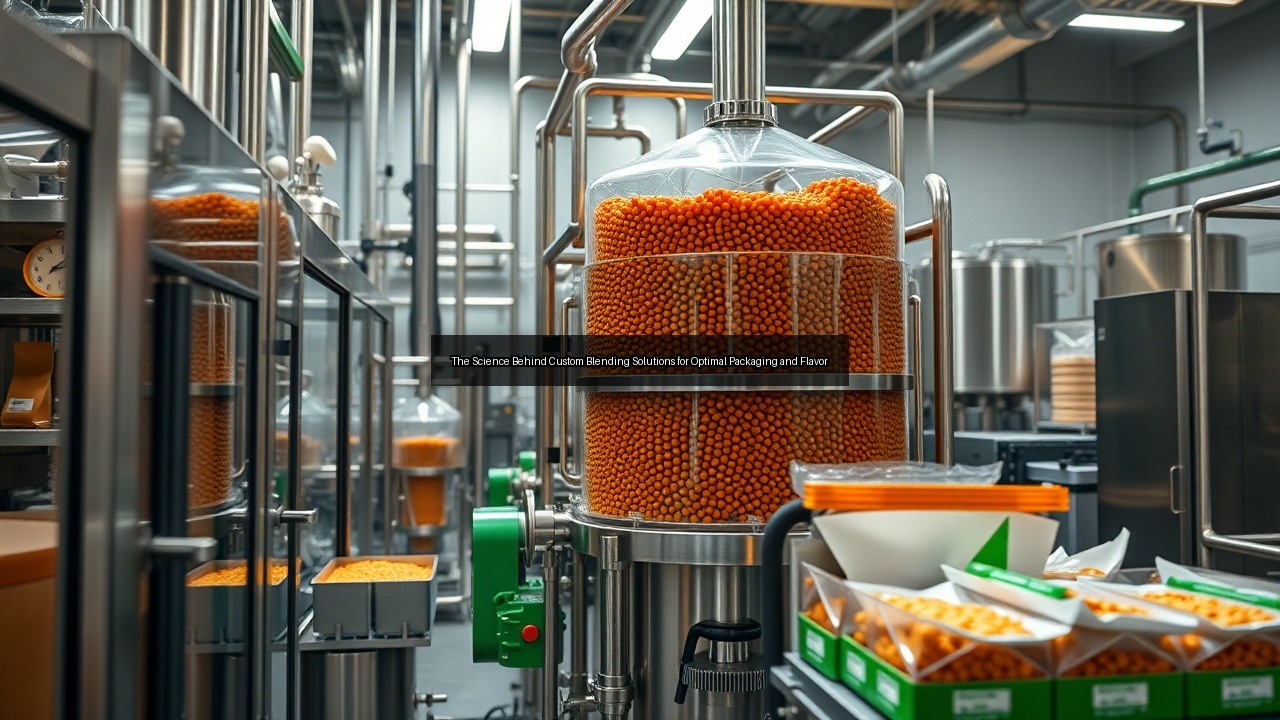
Understanding Custom Blending Solutions
The Importance of Custom Blending in Food and Beverage
Custom blending solutions play a critical role in the food and beverage industry. These tailored blends allow manufacturers to create unique products that cater to specific consumer tastes and dietary requirements. As the market becomes increasingly competitive, businesses must differentiate themselves through distinctive flavor profiles and product offerings. Custom blending enables brands to achieve this by combining various food ingredients, ensuring that each blend meets the desired flavor and quality standards. This approach not only enhances the sensory experience for consumers but also allows manufacturers to respond swiftly to evolving trends and preferences.
Key Food Ingredients Used in Custom Blends
Food ingredients are the backbone of any custom blend. Commonly used ingredients include juice concentrates, flavoring agents, sweeteners, and stabilizers. Each ingredient plays a specific role in achieving the desired taste, texture, and shelf life. For instance, juice concentrates provide natural sweetness and acidity, while stabilizers ensure product consistency and prevent separation. By strategically selecting and combining these ingredients, manufacturers can create custom solutions for blending that align with consumer expectations. Understanding the properties and interactions of these food ingredients is essential for developing successful custom blends that stand out in the marketplace.
How Custom Blending Enhances Flavor Profiles
The science behind flavor profiles is complex, and custom blending solutions excel in this area. By carefully selecting and proportioning food ingredients, manufacturers can craft flavors that resonate with consumers. The right blend can elevate a product from ordinary to extraordinary, creating a memorable taste experience. For example, a beverage manufacturer might combine citrus and herbal notes to create a refreshing drink that appeals to health-conscious consumers. Custom blending not only enhances flavor but also allows for experimentation with new combinations, ultimately driving innovation in the food and beverage sector. By prioritizing flavor development, brands can create products that keep consumers coming back for more.
The Science of Blending
Chemical Interactions in Food Ingredients
Understanding the chemical interactions between food ingredients is vital in custom blending solutions. Each ingredient possesses unique properties that can affect the overall taste and stability of the blend. For instance, acidity from fruit juices can enhance sweetness, while certain emulsifiers can improve texture and mouthfeel. Additionally, the Maillard reaction, a chemical process that occurs when proteins and sugars combine under heat, can create complex flavors during production. Manufacturers must consider these interactions to achieve balanced and appealing flavors in their products. By leveraging the science of food chemistry, custom blending can yield innovative and high-quality solutions that meet consumer demands.
Batch Production Techniques for Optimal Blends
Batch production techniques play a crucial role in the effectiveness of custom blending solutions. This method allows manufacturers to create specific quantities of a blend while maintaining consistency in flavor and quality. Each batch can be meticulously crafted, ensuring that the desired ratios of food ingredients are maintained throughout the production process. Precision in weighing and mixing is essential to produce uniform blends that meet quality standards. Furthermore, batch production techniques enable quick adjustments to formulations, allowing manufacturers to respond to consumer feedback or market trends rapidly. This adaptability makes batch production an invaluable asset in the competitive food and beverage manufacturing landscape.
Innovation in Custom Blending Technologies
Innovation drives the evolution of custom blending technologies, leading to more efficient and effective production processes. Advances in blending equipment, such as high-shear mixers and ultrasonic homogenizers, enhance the uniformity and stability of blends. These technologies not only improve the quality of the final product but also reduce production time and costs. Additionally, the integration of data analytics and artificial intelligence into blending processes allows manufacturers to optimize formulations based on real-time consumer preferences and market trends. Staying at the forefront of blending technology ensures that businesses can deliver high-quality custom blends that meet the ever-changing demands of the food and beverage industry.
Packaging Solutions for Custom Blends
Primary Packaging vs. Secondary Packaging
Choosing the right packaging is essential for the successful delivery of custom blending solutions. Primary packaging refers to the immediate container that holds the product, while secondary packaging encompasses any additional layers used for protection, branding, or convenience. For example, a juice blend might be housed in a glass bottle (primary packaging) and then placed in a cardboard box for shipping (secondary packaging). Each type of packaging serves specific purposes, such as preserving freshness, providing product information, and enhancing shelf appeal. Understanding the nuances of primary and secondary packaging helps manufacturers effectively market their custom blends while maintaining product integrity.
Flexible Packaging Options for Custom Blends
Flexible packaging offers a versatile solution for custom blends, combining convenience with functionality. This packaging type includes pouches, bags, and wraps that can easily adapt to various product formats and sizes. Flexible packaging not only reduces material waste but also allows for easier transportation and storage. Additionally, it often features advanced barrier properties that protect against moisture, light, and oxygen, ensuring the quality of the custom blend is maintained throughout its shelf life. As consumer preferences shift towards convenience and sustainability, flexible packaging options are becoming increasingly popular in the food and beverage industry, making them an ideal choice for custom blends.
GFSI and USDA Standards in Packaging
Adhering to GFSI (Global Food Safety Initiative) and USDA (United States Department of Agriculture) standards is crucial for packaging custom blends. These standards ensure that packaging materials and processes meet safety and quality requirements, safeguarding consumer health. GFSI provides a framework for food safety management systems, while USDA regulates food products to ensure they are safe, wholesome, and labeled correctly. Compliance with these standards not only builds consumer trust but also enhances brand reputation. Manufacturers must prioritize adherence to GFSI and USDA guidelines in their packaging processes to ensure their custom blends meet regulatory requirements and consumer expectations.
The Future of Custom Blending Solutions
Trends in Beverage Manufacturing
Trends in beverage manufacturing continuously shape the landscape of custom blending solutions. Consumers increasingly seek healthier, functional beverages that offer benefits beyond basic hydration. This shift has led to the rise of blends featuring superfoods, adaptogens, and probiotics. Manufacturers are responding by developing innovative custom blends that cater to these health-conscious preferences. Additionally, flavor experimentation and cultural influences are becoming more prominent, leading to unique product offerings that reflect diverse tastes. Staying attuned to these trends allows manufacturers to create custom solutions for blending that resonate with consumers and capitalize on emerging market opportunities.
Sustainability in Custom Blending and Packaging
Sustainability has emerged as a key consideration in custom blending and packaging. Consumers increasingly prioritize eco-friendly products, prompting manufacturers to adopt sustainable practices throughout the production process. This includes sourcing organic food ingredients, reducing waste, and utilizing recyclable or biodegradable packaging materials. Implementing sustainable practices not only meets consumer demands but also contributes to environmental stewardship. As the food and beverage industry evolves, brands that commit to sustainability will likely gain a competitive edge. By integrating sustainability into their custom blending solutions, manufacturers can create products that align with consumer values while fostering a positive impact on the planet.
Consumer Preferences Driving Blending Innovations
Consumer preferences significantly impact the direction of blending innovations. As tastes evolve, manufacturers must adapt their custom blending solutions to meet changing demands. The rise of plant-based diets, for example, has spurred the development of innovative blends that incorporate alternative proteins and flavors. Additionally, the growing interest in personalized nutrition has led to the creation of custom blends tailored to specific dietary needs. Brands that actively engage with consumers and gather feedback can leverage these insights to refine their blending strategies. By staying ahead of consumer trends, manufacturers can ensure their custom blends not only satisfy current preferences but also anticipate future demands in the ever-evolving food and beverage landscape.
See Also
- From Concept to Creation: The Journey of Custom Blends
- How GFSI Standards Elevate Custom Blending in the Food Sector
- Navigating the Complex World of Custom Blends in Beverage Manufacturing
- Strategies for Successful Batch Production with Custom Blending
- Revolutionizing Beverage Manufacturing with Tailored Blending Services